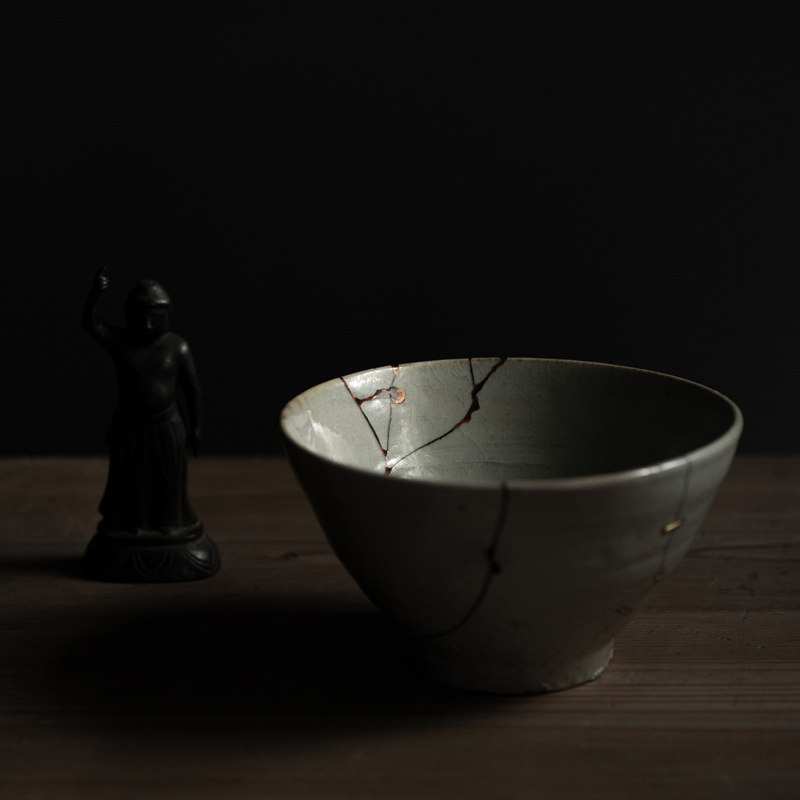
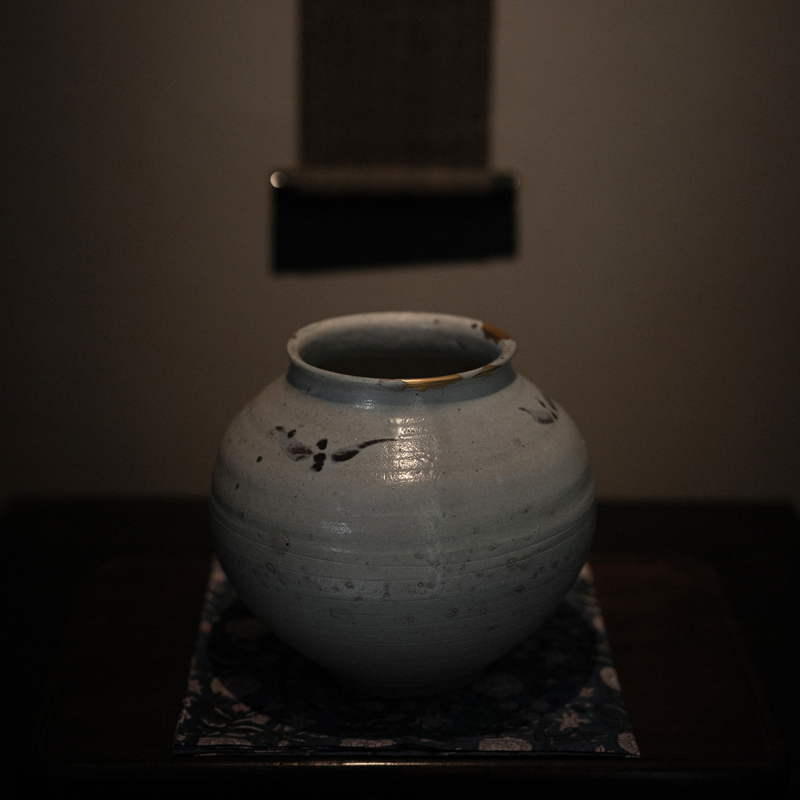
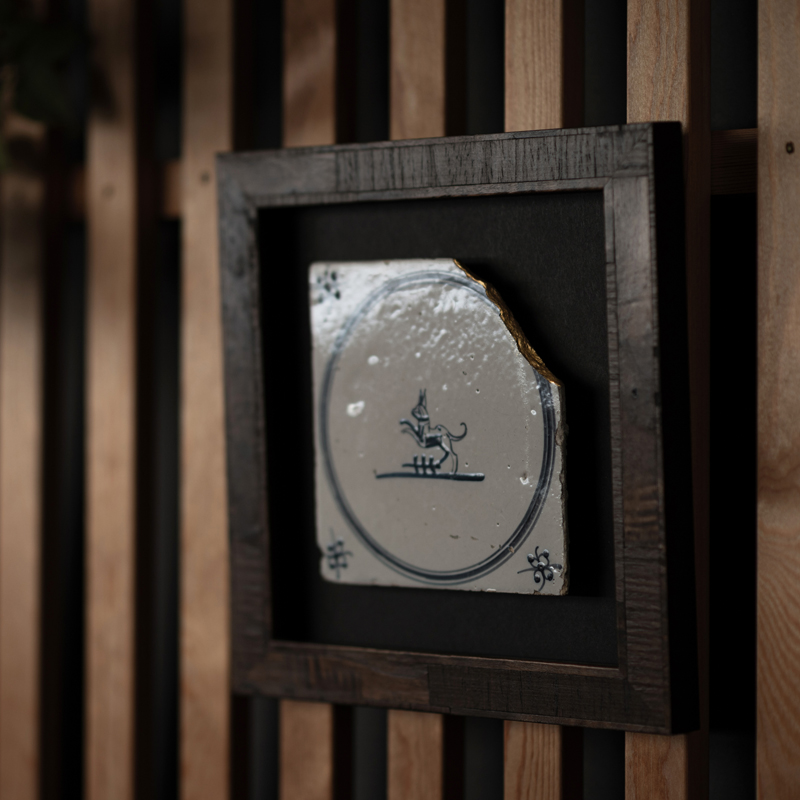
Beauty is like being possessed by a fox—a mere dream floating in the air.
There are simply beautiful objects.
— Jiro Aoyama (1901–1979), Japanese connoisseur and collector
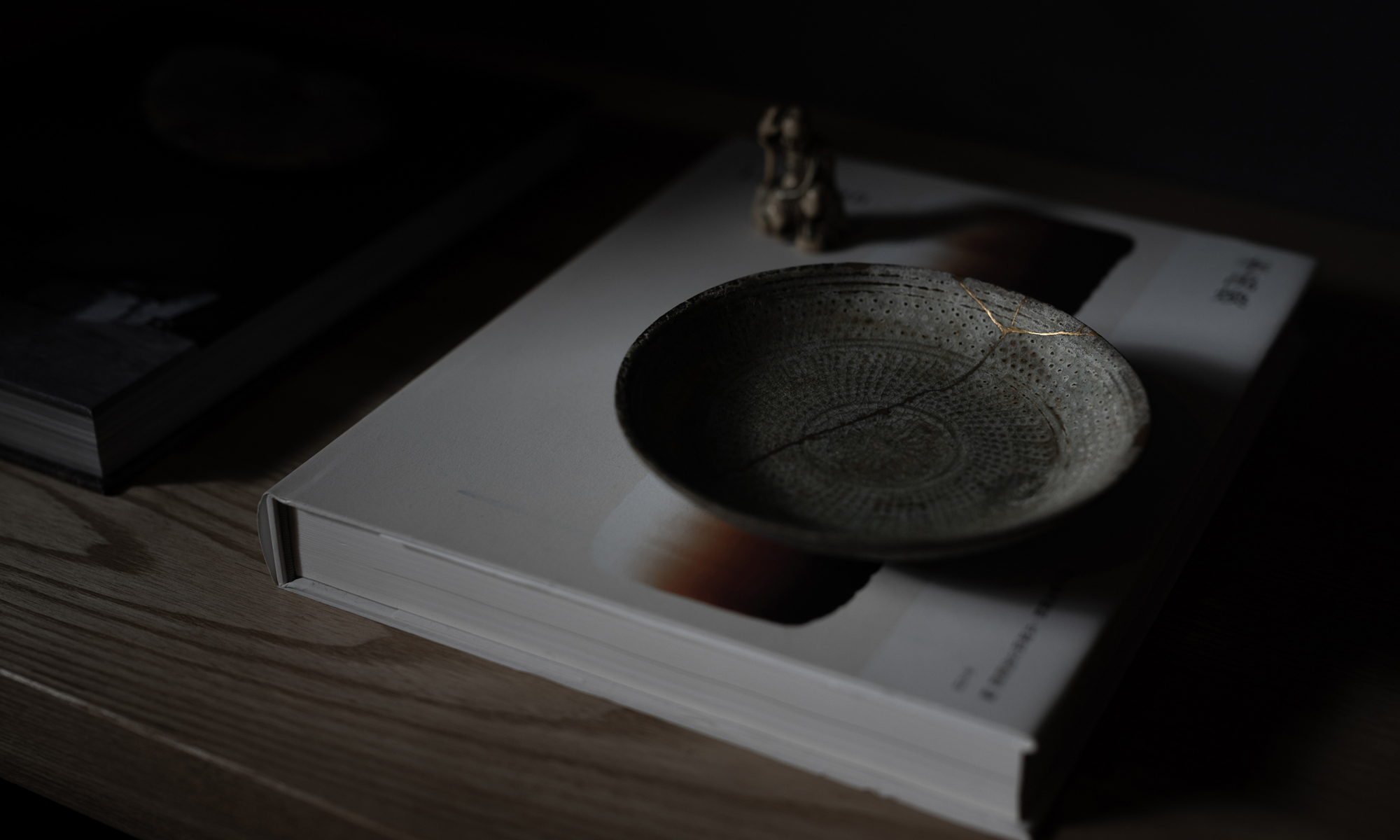

Online Gallery of Kintsugi Art & Objects
Beauty is like being possessed by a fox—a mere dream floating in the air.
There are simply beautiful objects.
— Jiro Aoyama (1901–1979), Japanese connoisseur and collector
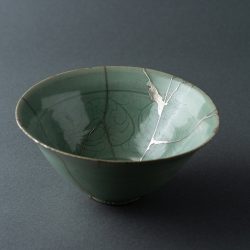
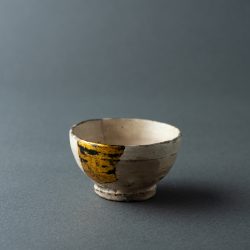
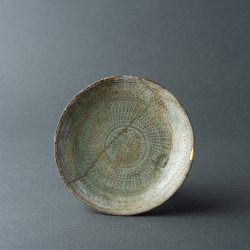
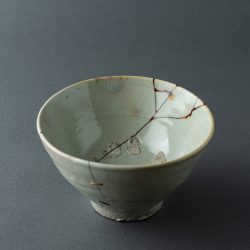
Ordinary old tableware.
Well-used tools.
Walls that have sheltered people for generations.
Objects that have supported everyday life—touched, worn, broken, and repaired, again and again. Fragments of pottery and fossils, buried in the earth for centuries, unseen by human eyes.
We believe that such objects, each carrying its own history, hold a unique beauty in their stains, scars, and the shapes revealed by their breaks.
Because no two histories are interchangeable.
And yet, these are, in essence, objects that have served their original purpose. We see kintsugi as one way of bringing new value to them.
Kintsugi is undeniably a Japanese tradition. But it is not simply Japanesque.
To grow old.
To be wounded.
To break.
And to be reborn.
None of these belong to any single culture.
This is what we believe.
And that is why we refuse to confine kintsugi within Japan’s borders.
YACCA is a kintsugi studio based in Fukuoka, Japan. More than 200 objects are handled each year for a wide range of clients, including Michelin-starred restaurants, renowned ceramic artists, galleries, and collectors.
Satoru Yatsuka
Kintsugi artist, graphic designer, and founder of YACCA.
Graduated from the Department of Visual Communication Design at the Kyushu Institute of Design, Japan’s only national university devoted exclusively to design. Founded in 1968, the institute was conceived with the ambition of becoming a Japanese Bauhaus. It became part of Kyushu University in 2003.
Over the years, I have often received inquiries from people asking if they could purchase pieces restored with kintsugi. I knew there was a demand for them, but for a long time, I was reluctant to offer such pieces for sale.
When I restore an object for someone, there is always a reason for repairing it. In most cases, it is not because the object is particularly valuable. It may have been passed down through a family, used and cherished for many years, or brought home from a journey. What gives the restoration meaning is often the personal memory and attachment the owner has to the object.
But what, then, is the reason for restoring an object in order to sell it?