
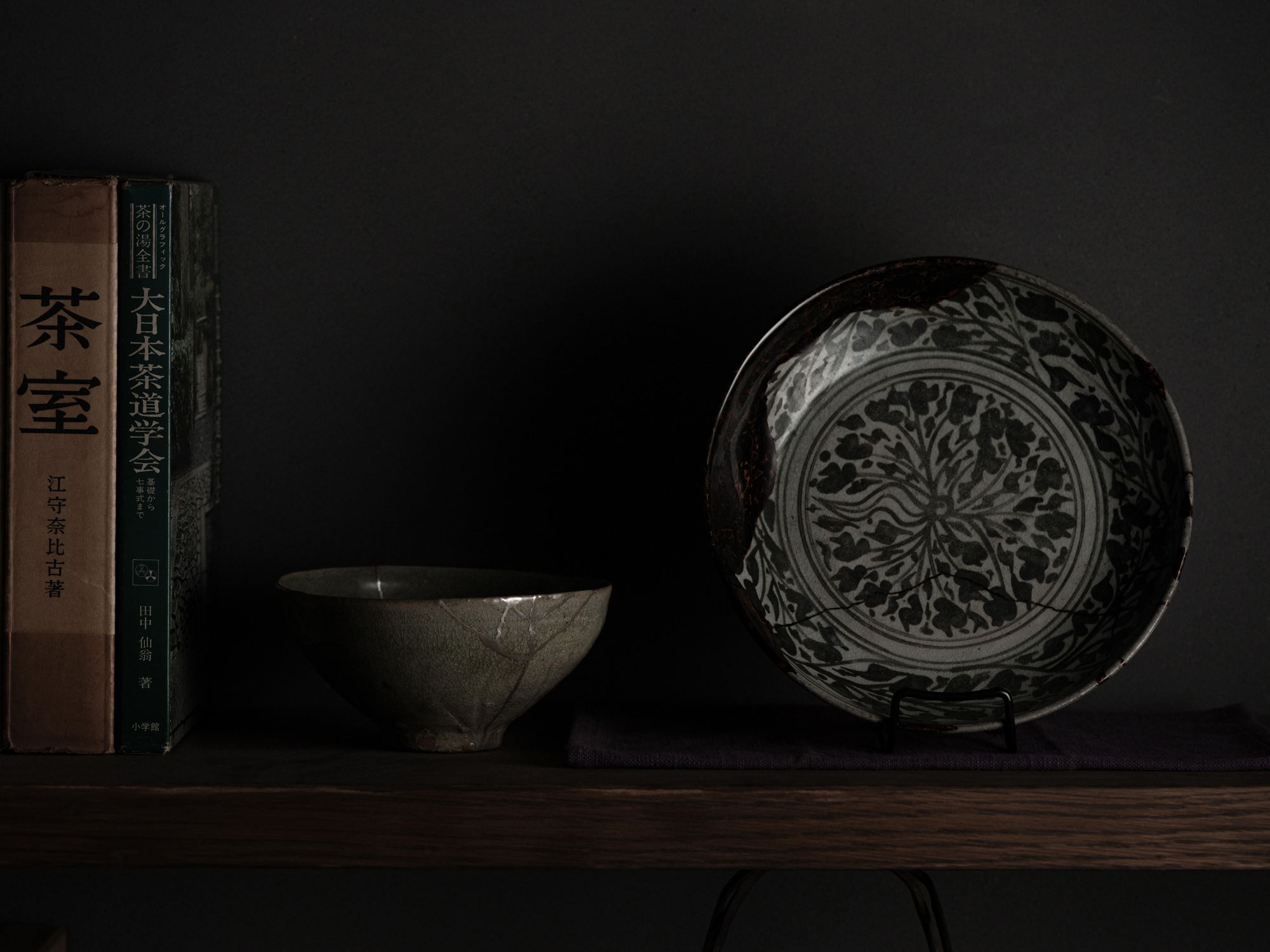
Kalong Ware Deep Dish with Iron-Painted Design, 15th–16th Century, Thailand
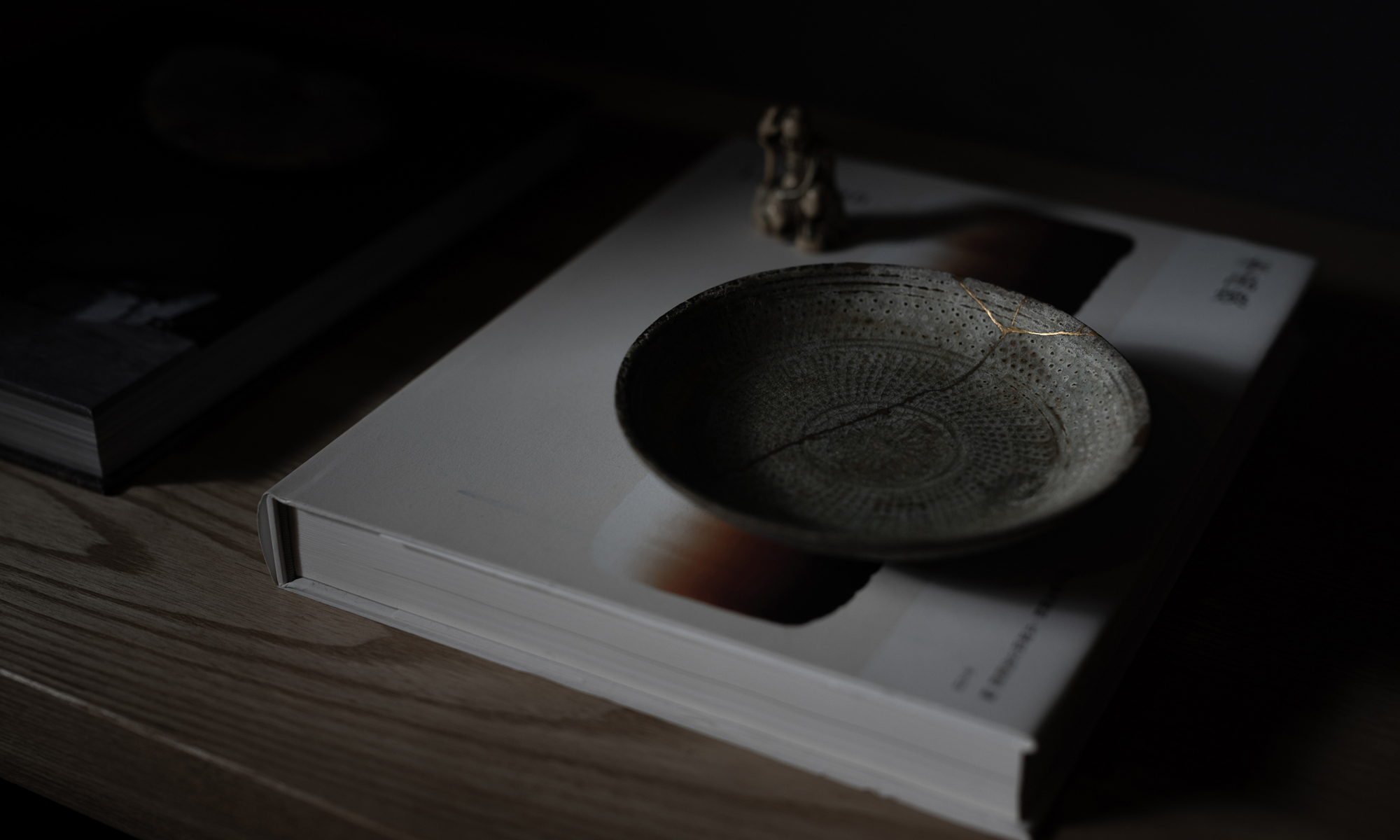
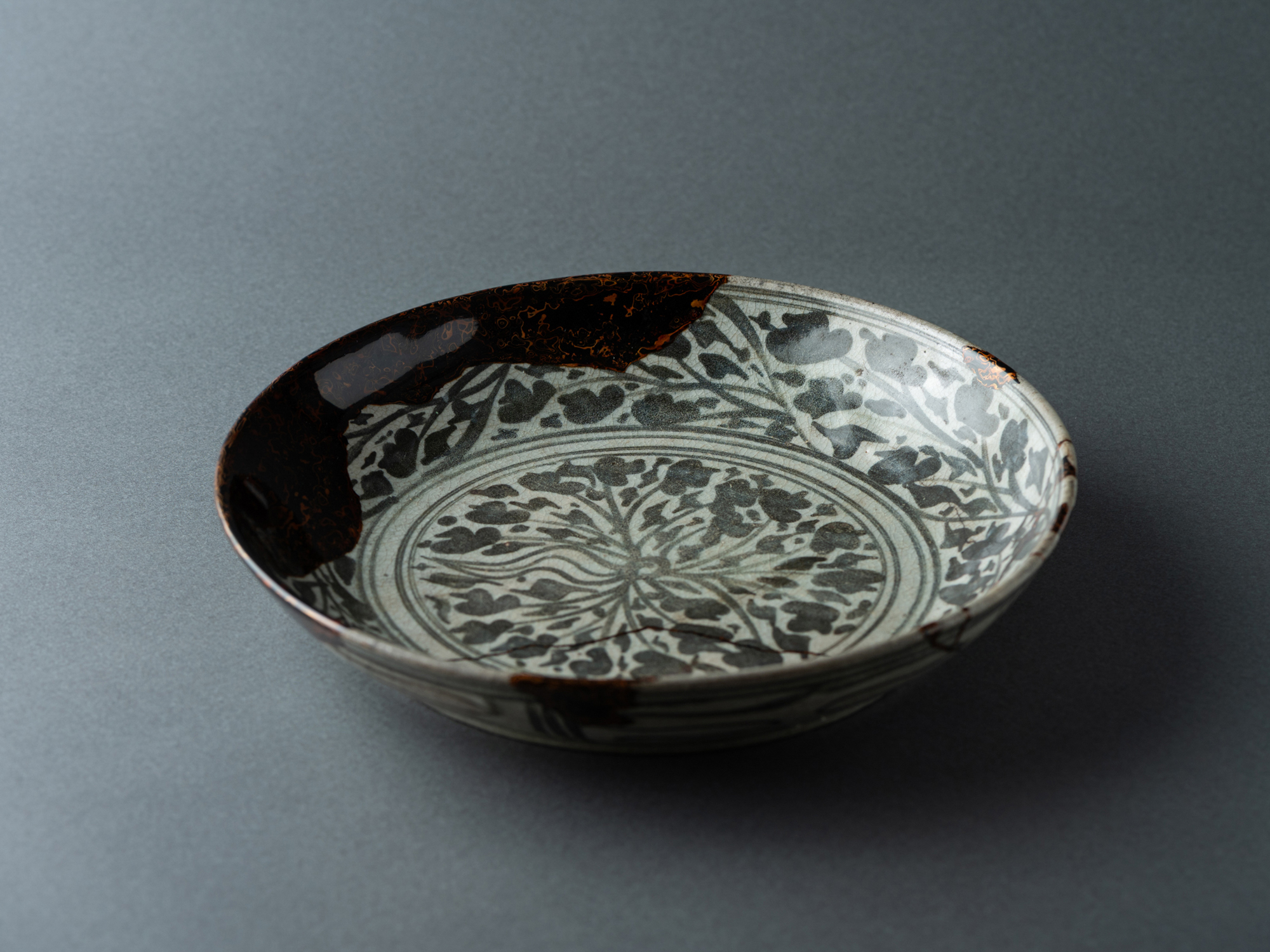
A Kalong ware deep dish dating from the 15th–16th century, said to have been excavated at the Kalong kiln site in northern Thailand in 1985.
The Kalong kilns were an important ceramic production center in the Lanna region of northern Thailand. Kalong ware is particularly known for its fine pale clay body and freely painted decoration in iron pigment beneath a clear glaze, often using floral and other motifs drawn from the natural world.
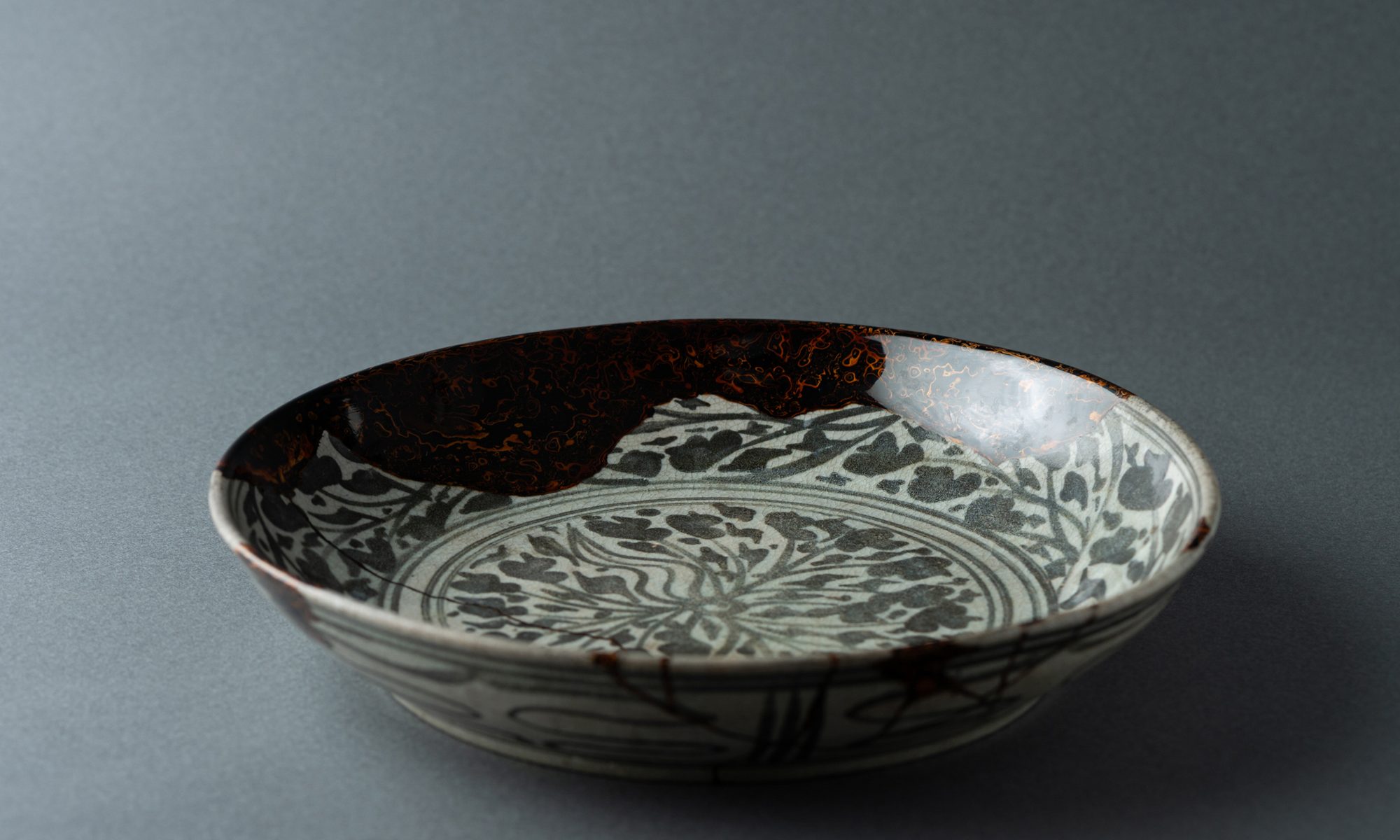
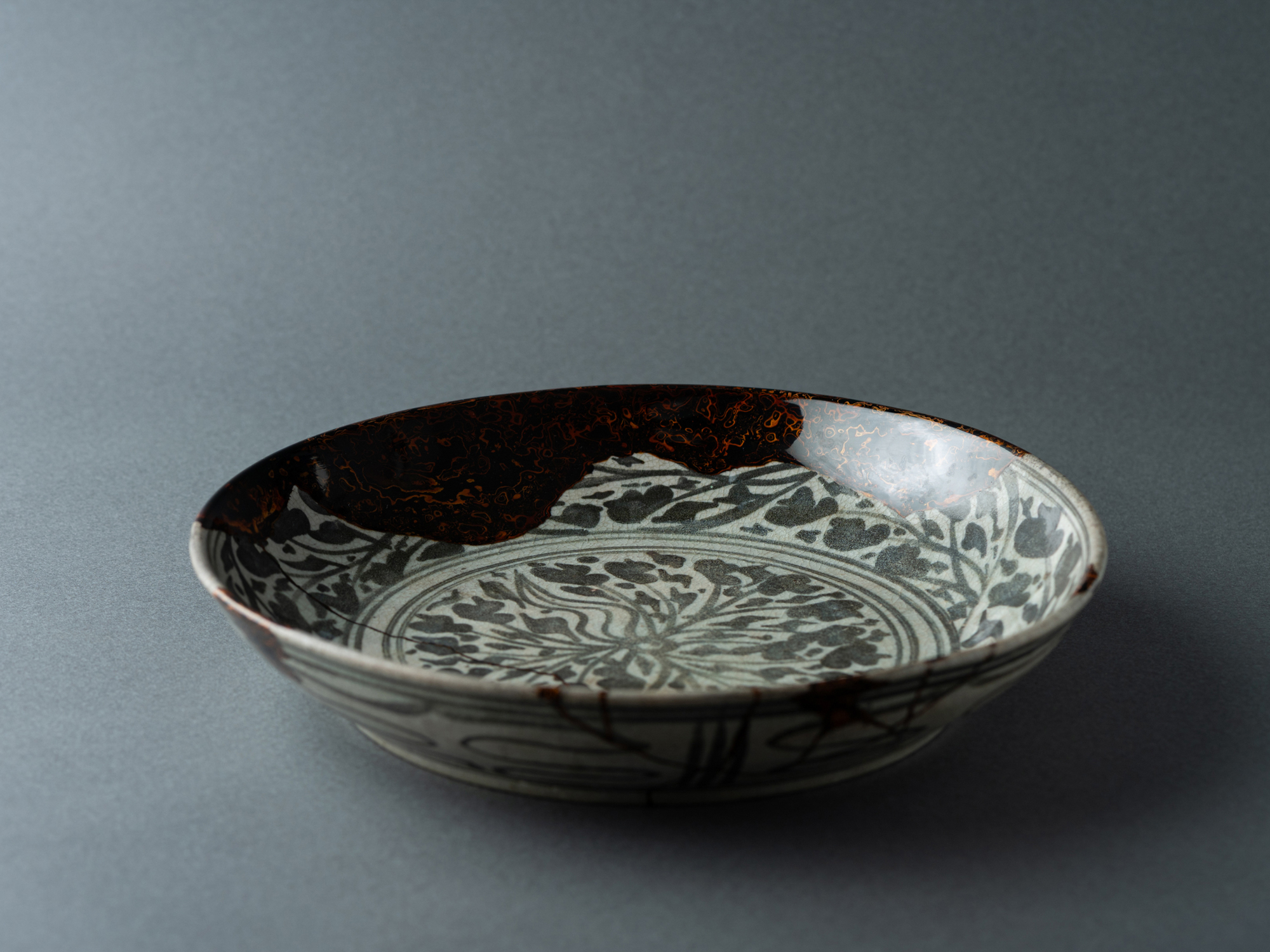
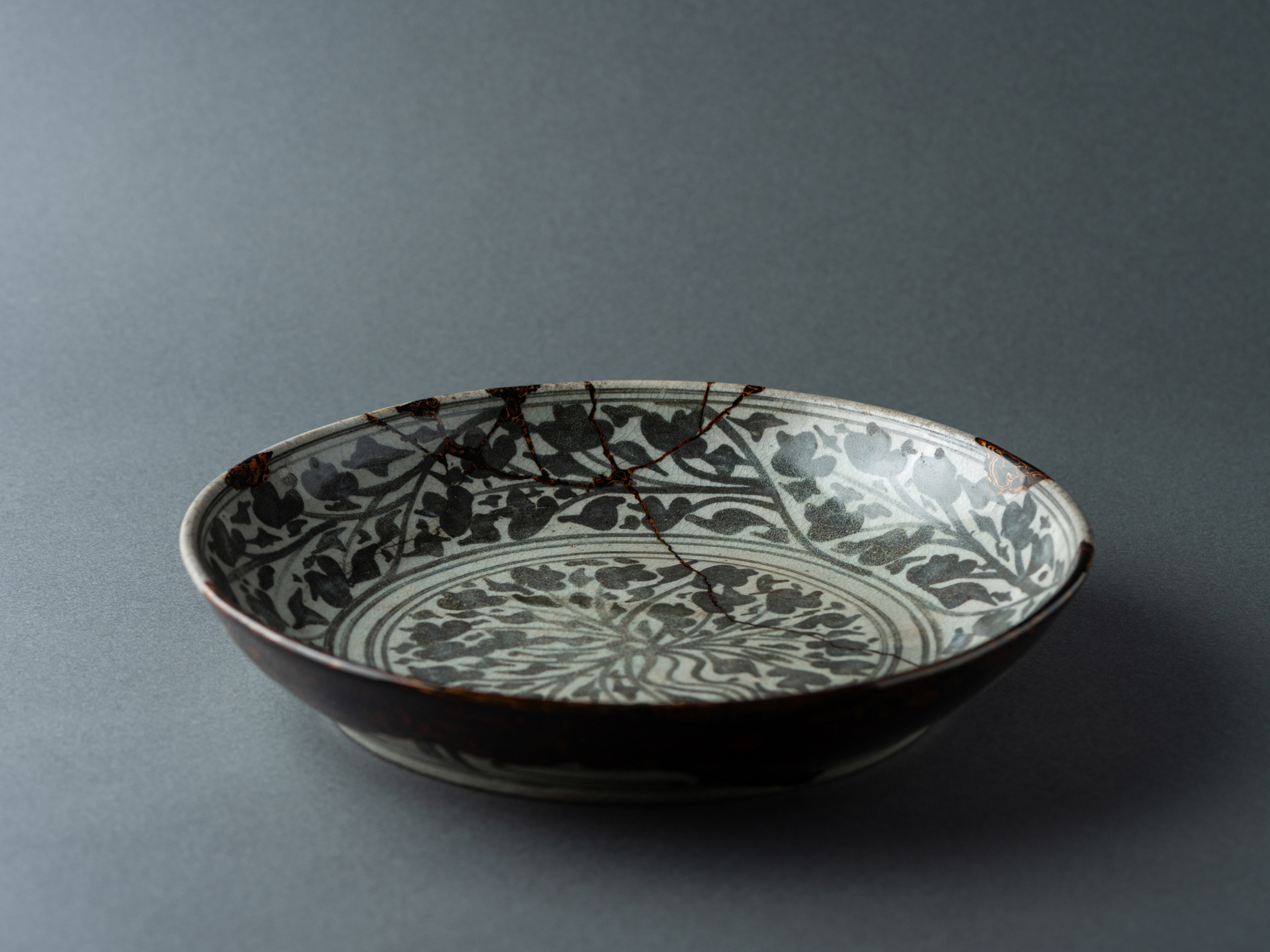
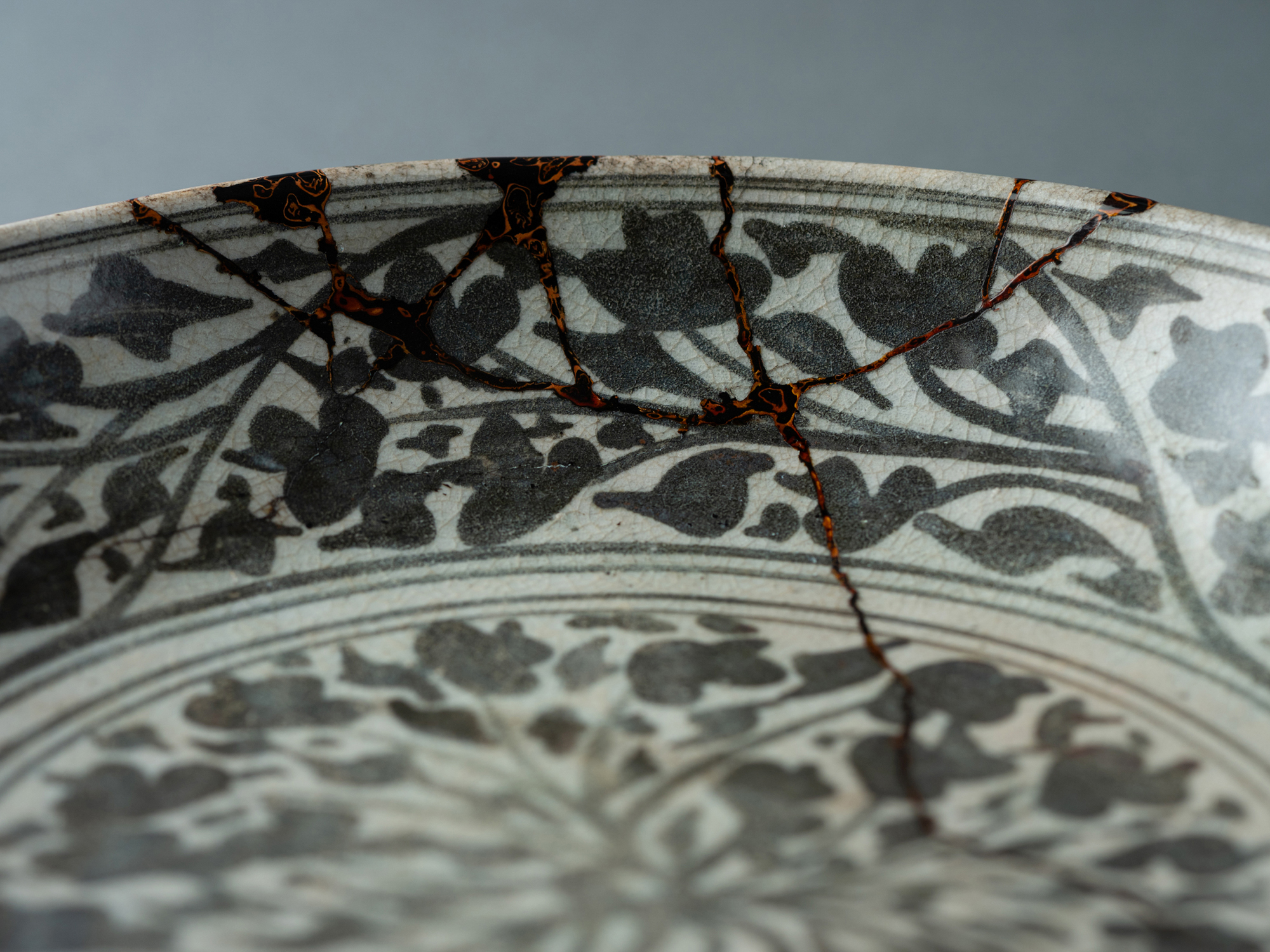
On this dish, densely arranged abstract plant motifs are painted across the greyish surface with loose, direct brushwork. The rhythmic patterning and spontaneous quality of the decoration give the vessel an almost modern visual character, despite its age of several centuries. Its directness and rhythmic patterning may also recall, to a modern eye, some of the qualities that modernist artists admired in African sculpture and textiles.
At approximately 24 cm in diameter, the dish has enough scale to work as an interior object as well as a vessel. It can be displayed upright on a stand or mounted on a wall, while its broad form also gives it a natural presence when placed on a coffee table or dining table.
Condition & Kintsugi Repair
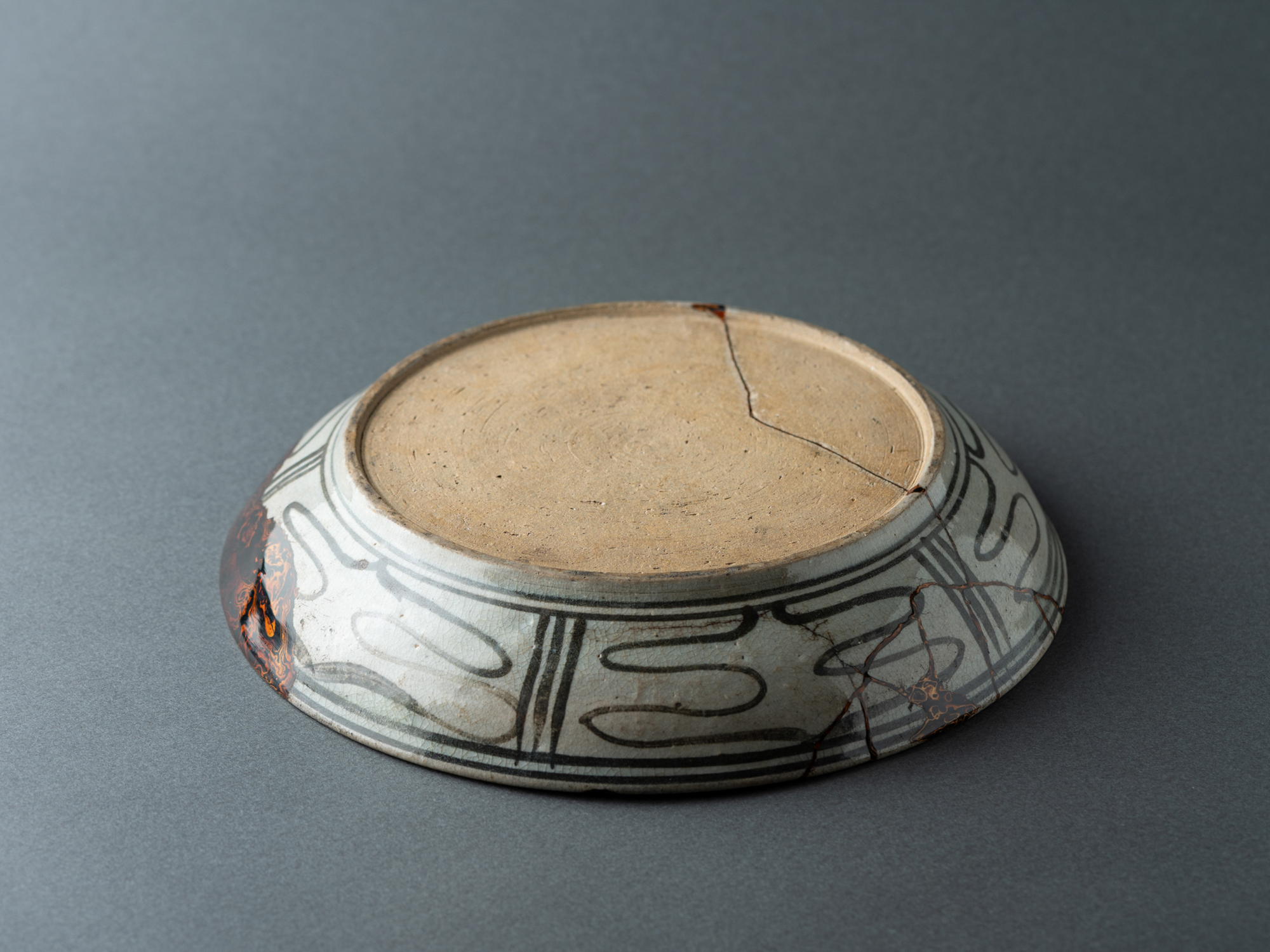
The surviving vessel consisted of eight fragments — two large sections and six smaller pieces — while approximately 43% of the circumference of the raised outer wall had been completely lost.
The surviving fragments were reassembled using natural urushi lacquer. Two additional losses, one large and one small, were filled and shaped with urushi and tonoko clay. The extensive missing section was reconstructed using layers of urushi, Japanese washi paper, jinoko clay, and tonoko clay.
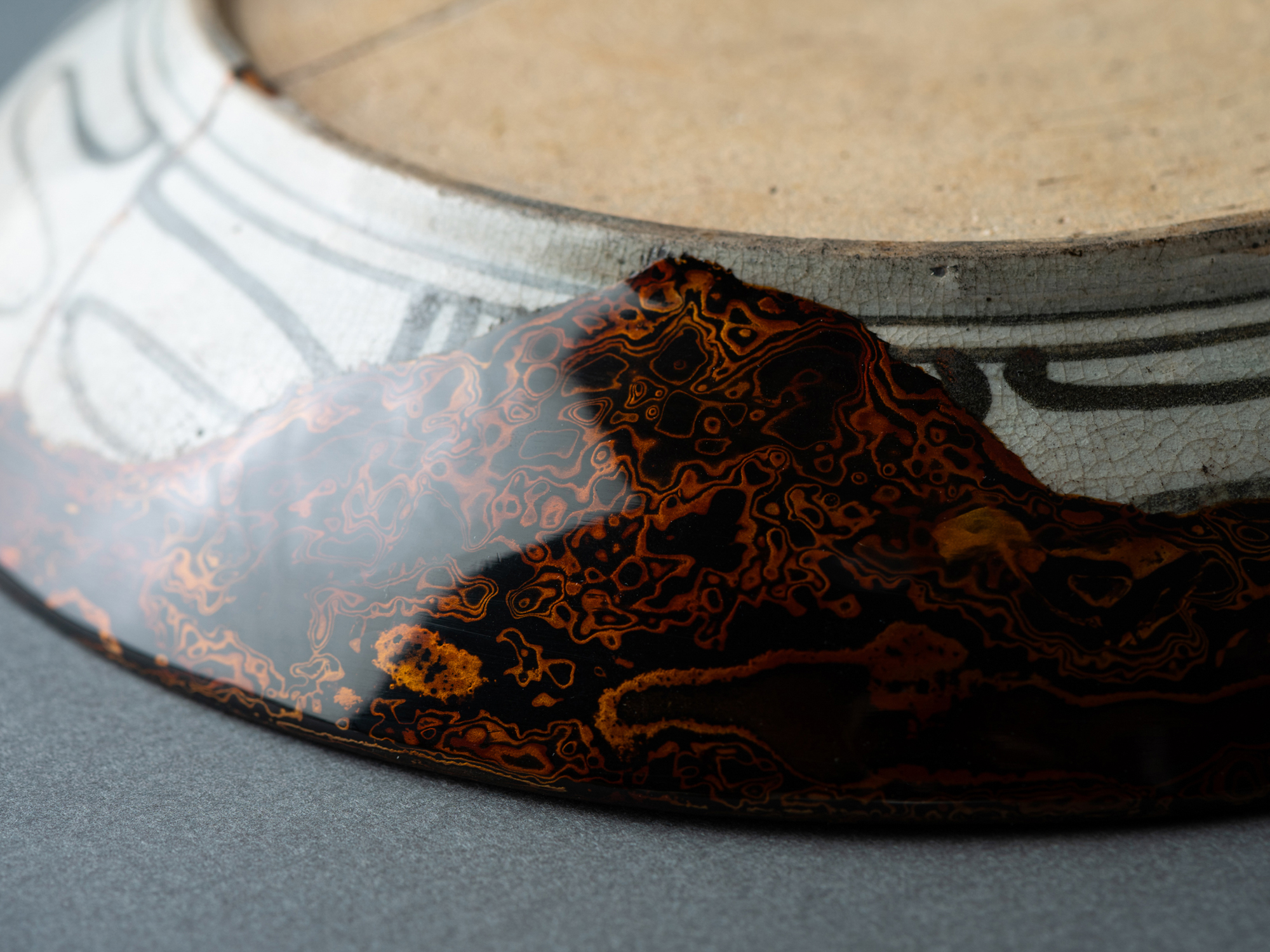
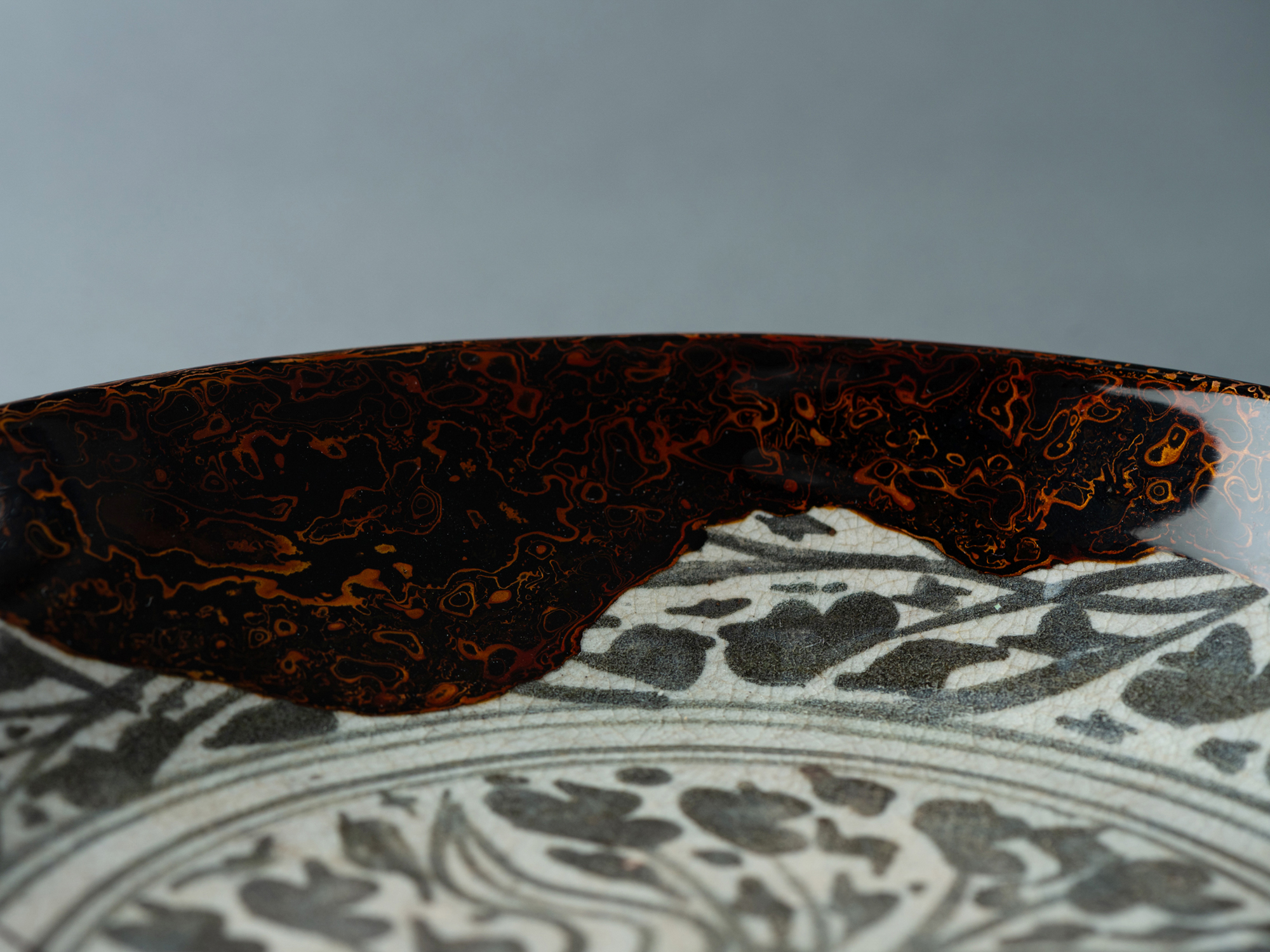
All of the repaired areas were finished using kawari-nuri, a family of decorative lacquer techniques that developed during the Edo period particularly as finishes for sword scabbards, and are therefore also known collectively as saya-nuri. Rather than referring to a single fixed method, kawari-nuri encompasses a wide range of techniques in which lacquer, powders, textured surfaces, and repeated polishing are combined to create complex decorative effects.
The technique was chosen here to create a surface complex enough to harmonize with the densely painted abstract plant motifs of the original dish without being visually overwhelmed by them.
The process began by building an irregular raised texture in urushi. Black urushi was then applied, followed by gold-colored mica powder. Further layers of black urushi and mica were built up repeatedly, one over another. After these layers had fully hardened, the surface was carefully polished back to reveal a complex pattern of black and gold emerging through the different layers.
The process is highly labor-intensive, requiring repeated cycles of coating, curing, and polishing. The resulting surface was intended not to imitate the original decoration, but to stand alongside it as a distinct contemporary intervention while remaining visually integrated with the vessel as a whole.
Finally, a layer of slightly amber-toned, translucent nashiji-urushi was applied over the finished surface as a protective coating. As urushi matures with age, its amber tone gradually becomes more transparent, allowing the underlying black-and-gold pattern of the kawari-nuri to appear increasingly clear. Under appropriate conditions, this gradual change is not simply a sign of aging, but part of the way an urushi surface develops greater depth and visual richness over time.
The dish shows some minor surface weathering and fine scratches. Otherwise, it remains in remarkably good condition for an excavated vessel of this age.
Dimensions
Diameter: 23.8–24.0 cm
Height: 4.1–4.3 cm
Foot diameter: 16.6–16.7 cm
Measurements are approximate.
Use & Care
Primarily recommended for display.
If used functionally, we recommend dry uses only, such as holding fruit or displaying dried flowers.
Avoid prolonged contact with water or other liquids, particularly around the reconstructed and lacquered areas.
If fingerprints, skin oils, or light surface dirt appear on the lacquered areas, wipe them gently with a soft microfiber cloth, such as one used for cleaning glassware.
Price
5,000 USD
↳ Acquiring a Work & International Shipping
Works can be viewed in person at the YACCA studio in Fukuoka by appointment.
Item No: VS-015